
Unraveling the truth behind common gambling myths and misconceptions
The Myth of “Hot” and “Cold” Machines
One of the most persistent myths in the gambling world is the notion that slot machines can be “hot” or “cold.” Many players believe that a machine that has recently paid out is due for another win, while others think a machine that hasn’t paid out in a while is “due” for a win. This belief stems from a misunderstanding of how random number generators work, which dictate the outcomes of slot machines. In fact, many players visit an online casino with the hope that their chosen machine will deliver big wins, but that hope is often misplaced.
In reality, each spin on a slot machine is independent of the previous spins. The outcome is determined by a random number generator, ensuring that past results do not influence future results. Thus, the idea of “hot” or “cold” machines is merely a misconception that can lead players to make decisions based on superstition rather than logic.
The Gambler’s Fallacy
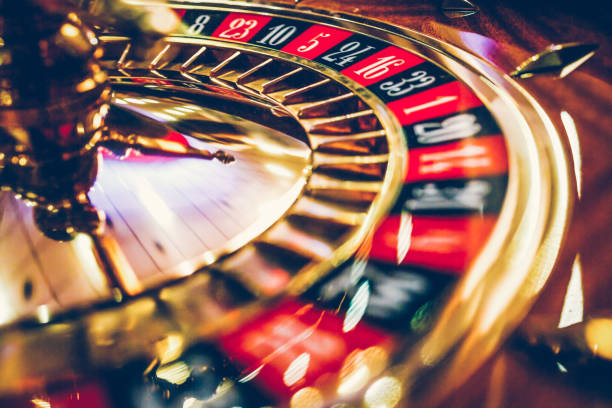
The gambler’s fallacy is another common misconception that can trap players in a cycle of poor betting decisions. This fallacy suggests that if a particular event occurs more frequently than normal in the past, it is less likely to happen in the future, and vice versa. For instance, if a roulette wheel has landed on black several times in a row, some players may believe that red is due to appear.
This belief is fundamentally flawed, as the probability of each spin remains constant regardless of previous outcomes. Understanding this fallacy is crucial for anyone looking to make informed decisions while gambling, as it helps prevent relying on erroneous reasoning that could lead to financial losses.
The Illusion of Control
Many gamblers believe they can exert some control over the outcome of their games through techniques like betting systems or specific rituals. This notion can lead players to feel overconfident in their abilities, which can result in larger losses. Betting systems, like the Martingale strategy, rely on the idea that players can win back losses by doubling their bets, but they ignore the reality of house edge and table limits.
Ultimately, the outcomes in games like blackjack, roulette, and slots are determined by chance. Understanding that gambling is a game of luck can help individuals approach it with a healthier mindset, focusing on entertainment rather than the pursuit of guaranteed winnings.
The Overestimation of Skill in Games
Many players mistakenly believe that games like poker and blackjack are solely based on skill, neglecting the role of luck involved in these games. While there are indeed strategies and skills that can improve a player’s chances of winning, random elements can never be completely eliminated. For example, in poker, even the best players can lose to less experienced opponents due to the cards dealt.
This overestimation of skill can lead to an unrealistic perception of gambling success. Players should recognize that while honing their skills can enhance their performance, luck will always play a significant role in the outcomes, making gambling inherently unpredictable.

Understanding the Gambling Industry
The gambling industry is rich with myths and misconceptions, often leading players astray. It is essential for individuals to educate themselves about the mechanics of games and the realities of odds to foster a more responsible gambling approach. By debunking these myths, players can make more informed decisions that prioritize enjoyment over financial risk.
This website serves as a valuable resource for those looking to stay updated on the latest industry news and insights. By focusing on education and safety, it empowers users to navigate the complex world of gambling with confidence and awareness, promoting a healthier relationship with gaming activities.