
The Allure of Risk and Reward
The psychology of gambling often revolves around the thrill of risk and the potential for significant rewards. Players are attracted to the idea of winning large sums of money with relatively small investments. This combination creates an adrenaline rush that many find irresistible, making games like slots, poker, and blackjack particularly appealing. When considering entering the realm of gambling, exploring a new casino online can offer exciting opportunities. The potential for a life-changing win becomes a motivating factor, encouraging players to take risks they might not otherwise consider in their everyday lives.
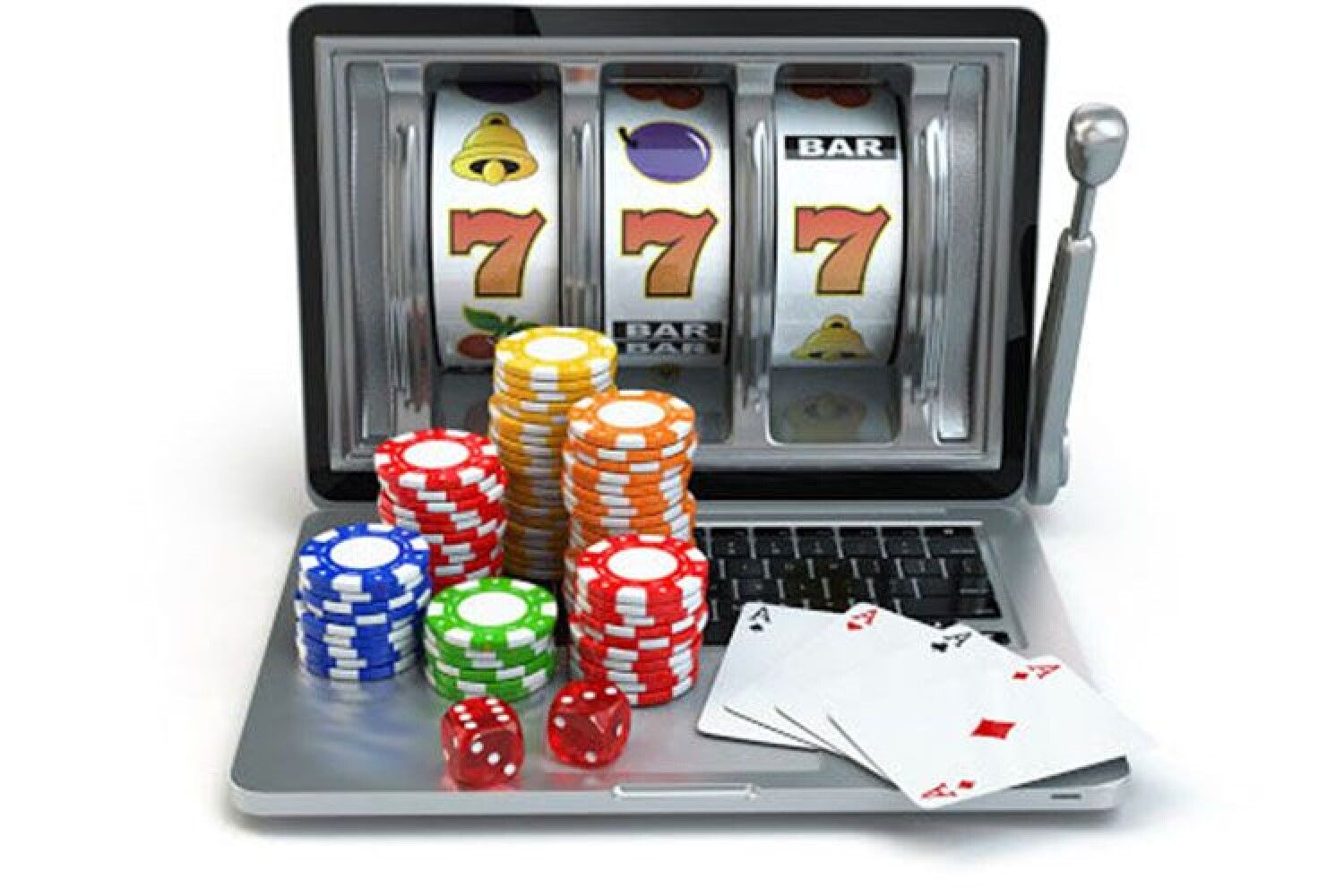
Additionally, the concept of risk can differ widely among players. Some enjoy high-stakes games where the potential reward is greater, while others may prefer games with more predictable outcomes. Understanding these preferences helps casinos tailor their offerings, ensuring that all types of players can find something that fits their risk-reward appetite. This dynamic is a key element in shaping the choices players make when entering a casino.
The Role of Social Influence
Social interaction plays a significant role in gambling behavior. For many, the experience of playing in a casino is not just about the games themselves but also about the people they share it with. Social environments foster a sense of camaraderie and shared excitement, which can heavily influence game choices. Observing others’ wins and losses can create a bandwagon effect, leading players to gravitate toward popular games or those showcasing big payouts.
Moreover, the design of casinos capitalizes on this social aspect. By creating spaces that encourage interaction and group play, casinos make certain games more appealing. The thrill of playing alongside friends, family, or even strangers can enhance enjoyment and affect decisions on which games to play. This underscores the importance of social psychology in understanding casino game choices and player preferences.
The Impact of Cognitive Biases
Cognitive biases significantly influence how players approach casino games. One common bias is the “gambler’s fallacy,” where individuals believe that past events affect the likelihood of future outcomes. For instance, if a player sees a slot machine hit a big win, they may assume it is “due” for another win soon. This misconception can lead to repeated play, driven by the false belief that they will soon achieve success.
Another prevalent bias is the illusion of control, where players feel they can influence the outcome of games that are fundamentally based on chance. This feeling can lead to compulsive betting behaviors, as players convince themselves that strategy or skill can sway the odds in their favor. Recognizing these psychological patterns is essential for both players and the industry, as they reveal the underlying motivations behind game selection and gambling behavior.
The Influence of Game Design and Features
Modern casino games are meticulously designed to enhance user engagement and prolong play. Features like bright lights, engaging sound effects, and interactive elements create an immersive experience that can lure players into spending more time and money. Additionally, the inclusion of features like progressive jackpots, free spins, and bonuses can further entice players, making specific games more appealing based on the perceived value or excitement they offer.
This strategic game design is rooted in an understanding of psychology. Developers know that creating a stimulating environment can keep players engaged longer and enhance their overall experience. By tailoring games to meet psychological preferences, casinos can better attract and retain players, ultimately influencing their game choices in a competitive market.

Security and Responsible Gaming Practices
In the world of online and offline casinos, ensuring the safety and security of players is paramount. With the rise of digital gambling, platforms are increasingly implementing advanced security measures to protect users from potential threats. This focus on security not only enhances the user experience but also fosters trust among players, which can positively impact their gaming choices.
Moreover, promoting responsible gaming practices is essential in the industry. Many platforms provide resources to help players understand the risks of gambling and encourage them to engage in safe play. By prioritizing both security and responsible gaming, casinos can create an environment where players feel safe and informed, ultimately leading to healthier gaming habits and more thoughtful choices when it comes to game selection.