
The Role of Chance in Casino Games
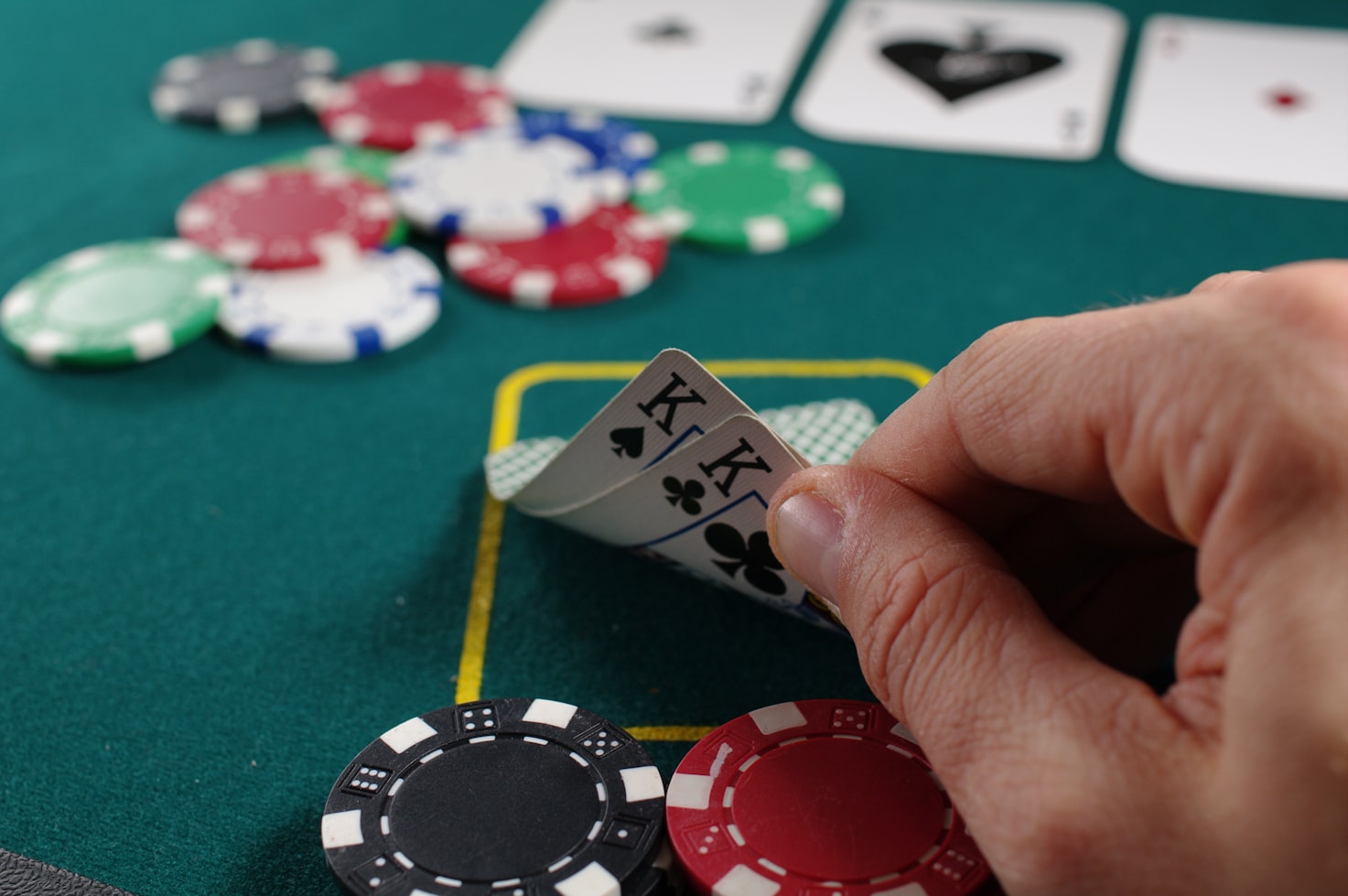
Chance plays a pivotal role in casino games, acting as the fundamental element that attracts players. The thrill of uncertainty fuels engagement, making individuals feel excited about the possibilities that each game presents. Casino games such as slots, roulette, and legal casinos are designed to maximize this thrill, enticing players with the prospect of big wins while keeping them captivated by the unpredictable nature of chance.

This uncertainty not only enhances the gaming experience but also influences how players approach their strategies and decisions. By perceiving the outcomes as partly controllable, players may engage in superstitious behaviors or develop various strategies, which can alter their overall gaming experience and potentially affect their level of spending and time spent playing.
The Impact of Cognitive Biases
Cognitive biases significantly shape how individuals perceive their chances of winning in casino games. For instance, the “gambler’s fallacy” leads players to believe that past outcomes influence future results, causing them to make irrational bets based on streaks or patterns. This misconception can lead to repeated losses as players continue to chase their perceived luck, firmly rooting them in the game’s psychological grasp.
Moreover, biases such as confirmation bias can cause players to focus only on winning moments while ignoring the numerous losses, reinforcing their belief in their ability to beat the odds. These biases emphasize how the human mind can distort reality, further entrenching players in a cycle of risk-taking behavior.
The Social Dynamics of Gambling
Casino environments are not just about individual play; they also encompass social dynamics that influence behavior. The presence of other players can create a sense of camaraderie or competition, impacting how individuals make decisions. Many players find the social atmosphere of a casino exhilarating, and this communal experience can lead to riskier choices as they seek to impress peers or fit into a group.
Additionally, casinos often employ strategies to enhance social interactions, such as offering complimentary drinks or hosting events, which can lead to prolonged gambling sessions. This social aspect can create emotional connections to the experience, further blurring the lines between responsible gambling and compulsive behaviors.
Addiction and Behavioral Patterns
The combination of chance, cognitive biases, and social dynamics can lead to gambling addiction, a serious condition that affects many individuals. The thrill of potential winnings can create a powerful psychological hook, compelling players to return even after significant losses. Over time, the brain may start to associate gambling with pleasure, causing individuals to chase their next high at the expense of their well-being.
Understanding the psychological mechanisms behind these behaviors is essential for developing effective support systems. Programs focusing on education and awareness can help individuals recognize harmful patterns and make informed choices, mitigating the risks associated with gambling addiction.
Water Governance and Its Intersection with Human Behavior
The website dedicated to water governance highlights the importance of understanding human behavior in managing natural resources effectively. Just as the psychology of casino games reveals patterns in behavior influenced by chance, effective water governance requires an understanding of how individuals and communities interact with water resources. This connection emphasizes the need for education and awareness in both domains.
By fostering discussions and providing resources related to sustainable practices, stakeholders can enhance their decision-making processes, just as players can improve their gambling experiences through awareness of psychological influences. Ultimately, bridging these concepts can lead to more responsible management of both recreational activities and vital resources.